

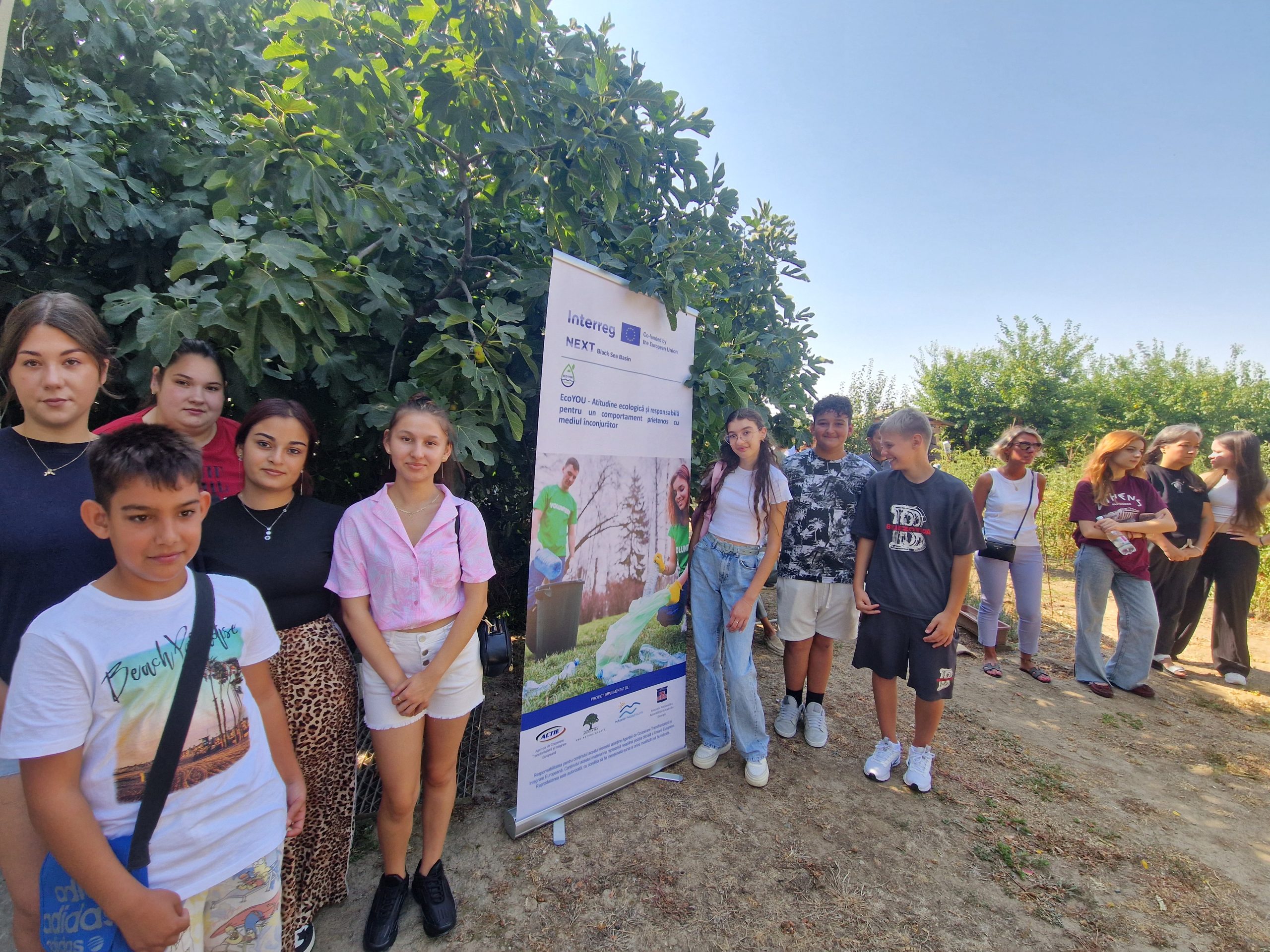
Partner name: Mare Nostrum NGO
Period: 1-5 September 2025
Number of participants: 44 participants
Participants by category:
- Students (secondary school and high-school): 22 participants
- Students (university): 2 participants
- Teachers: 3 participants
- NGOs: 17 participants
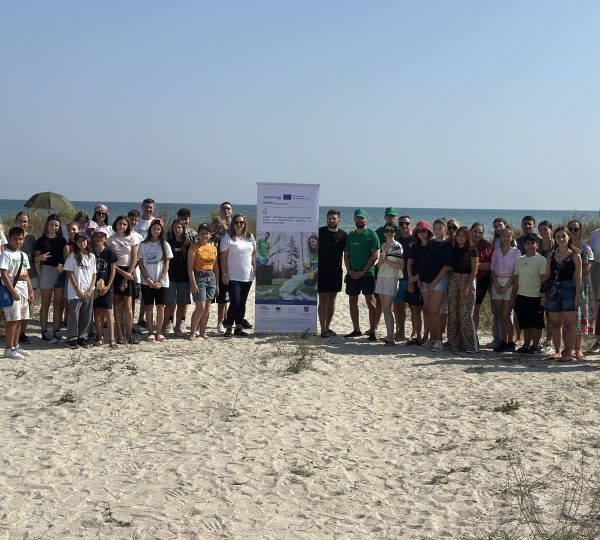
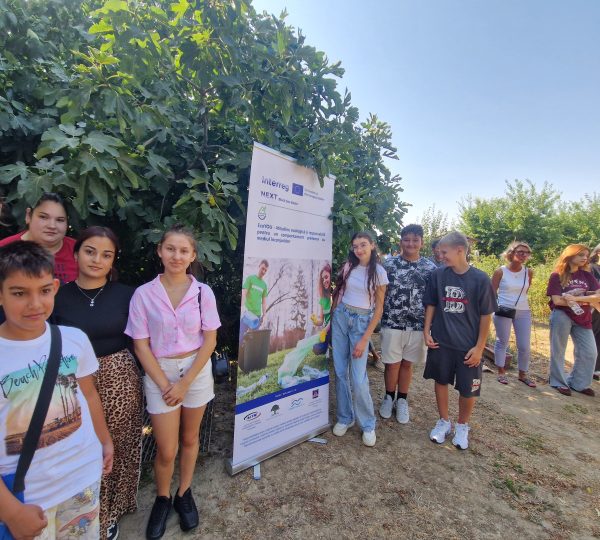
The Joint Camp in Romania was held in the remote coastal village of Corbu, with additional outdoor activities taking place in the nearby areas of Vadu Beach, Jurilovca, and Enisala. This location was carefully chosen as it serves as a gateway to the Danube Delta, one of Romania’s most significant Biosphere Reserves, making it highly relevant to the project’s objectives and target groups.
Beyond its ecological importance, the natural setting offered a uniquely picturesque backdrop that deeply enriched the camp experience. The unspoiled landscapes, the meeting point of land and water, and the diverse ecosystems provided not only a source of inspiration but also a living classroom. Such an environment fosters non-formal and creative education, where participants can learn through direct interaction with nature, observation, and hands-on exploration. The beauty and authenticity of the surroundings encouraged creativity, reflection, and collaboration, reinforcing the camp’s educational goals while highlighting the intrinsic link between natural heritage and personal development.
The first day was dedicated to the official start of the camp. It opened with a warm welcome session, where participants were introduced to the surroundings and their accommodation. This first moment was not only about logistics, but also about setting the tone for the days ahead – encouraging openness, curiosity, and a sense of community in the unique natural and cultural landscape of Corbu.
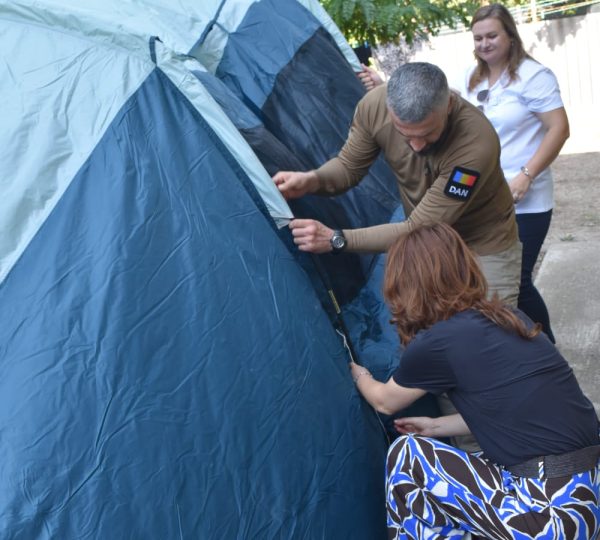
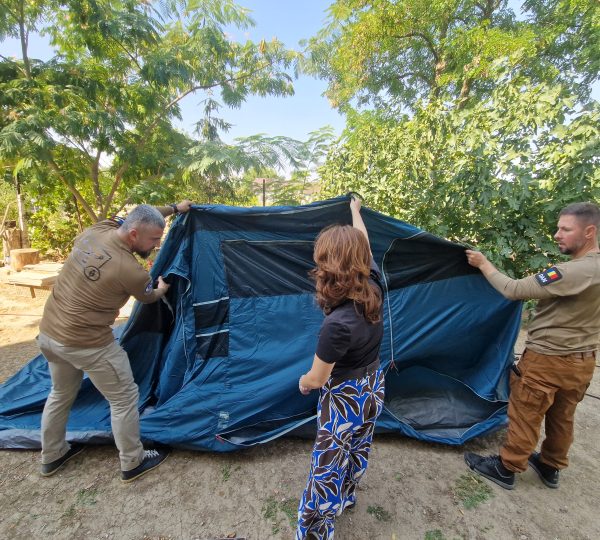
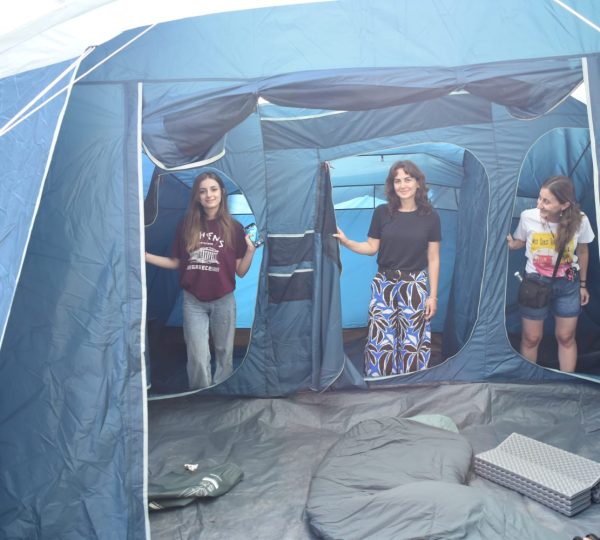
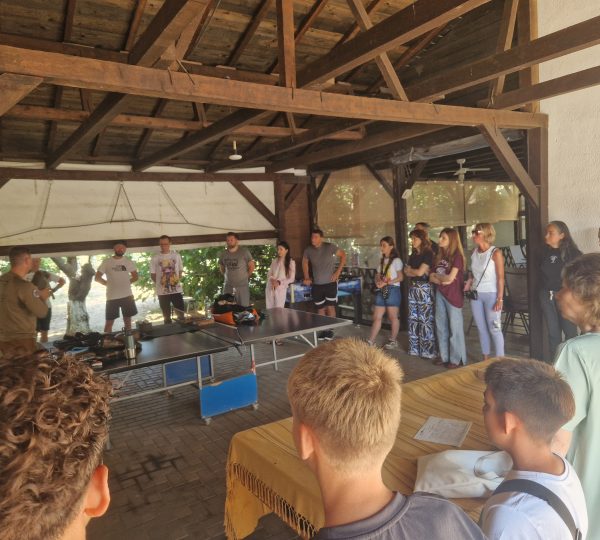
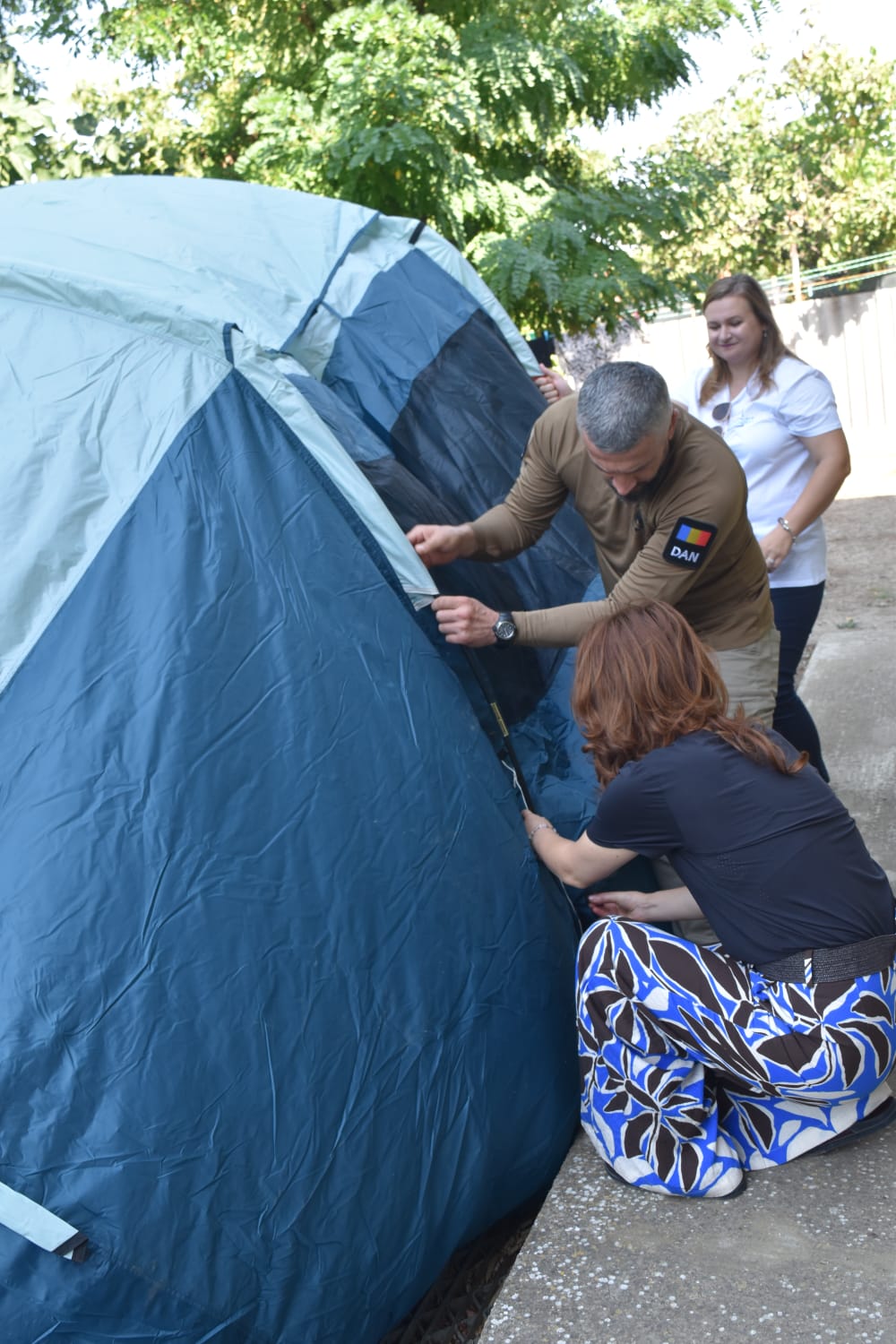
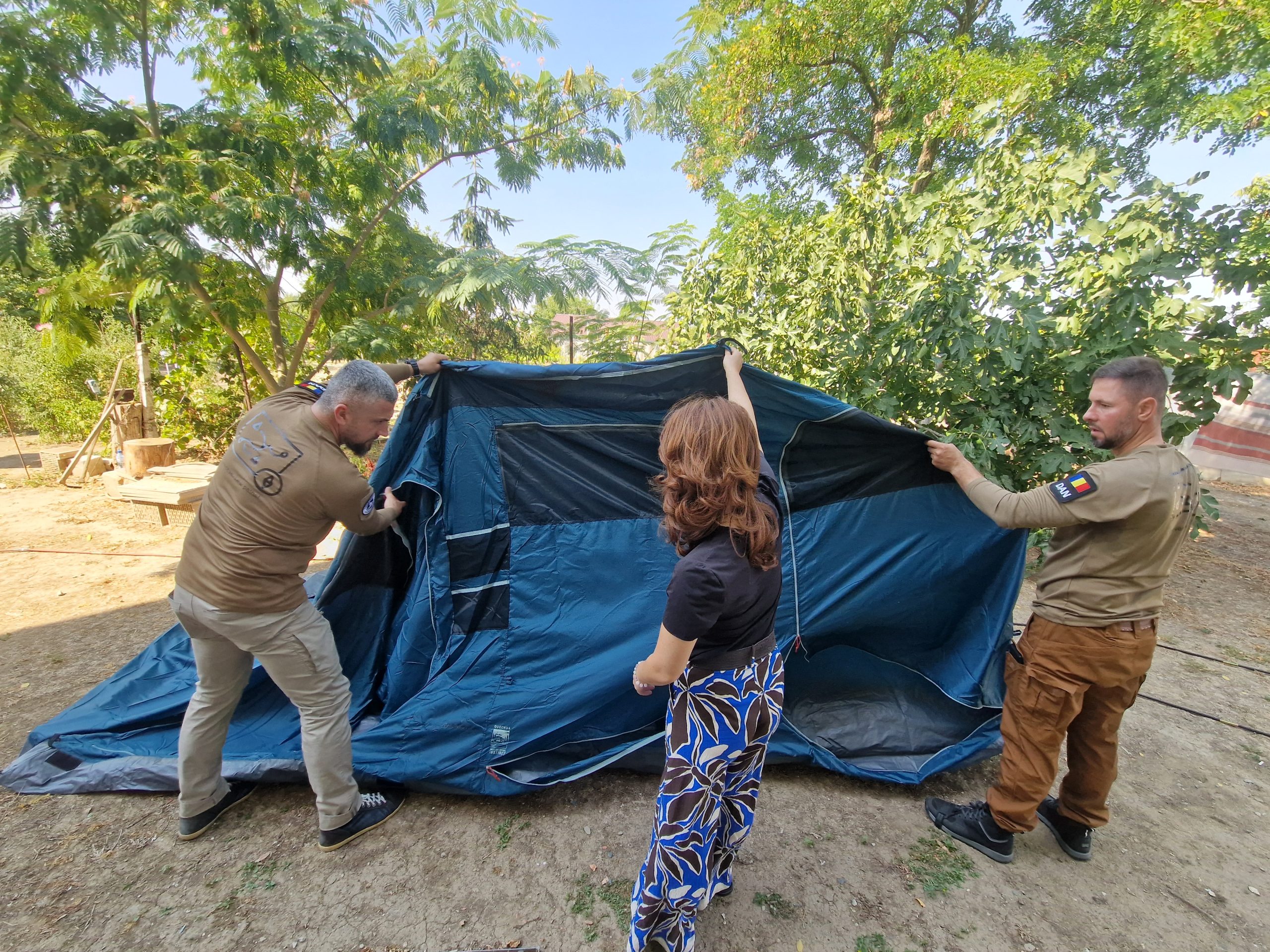
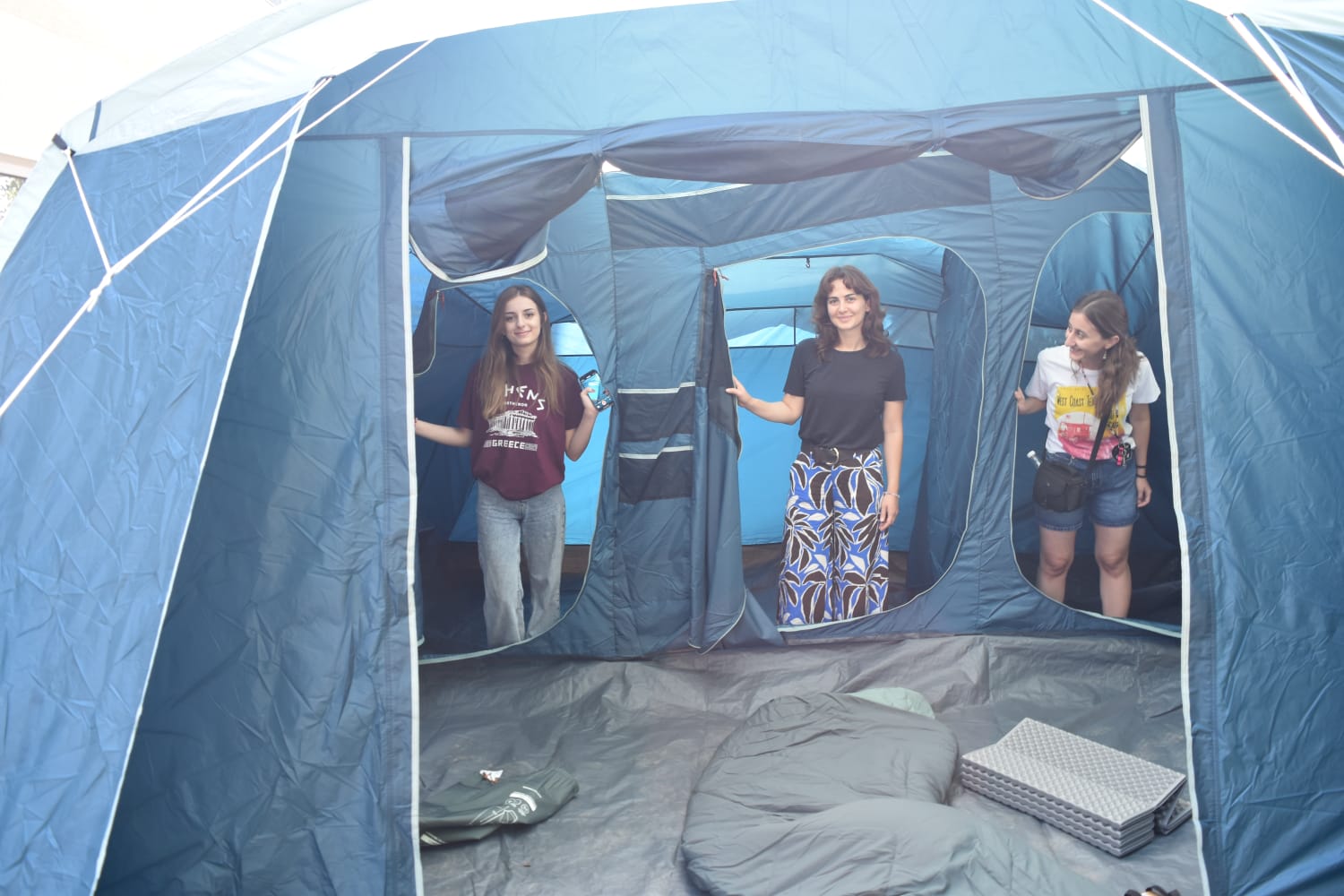
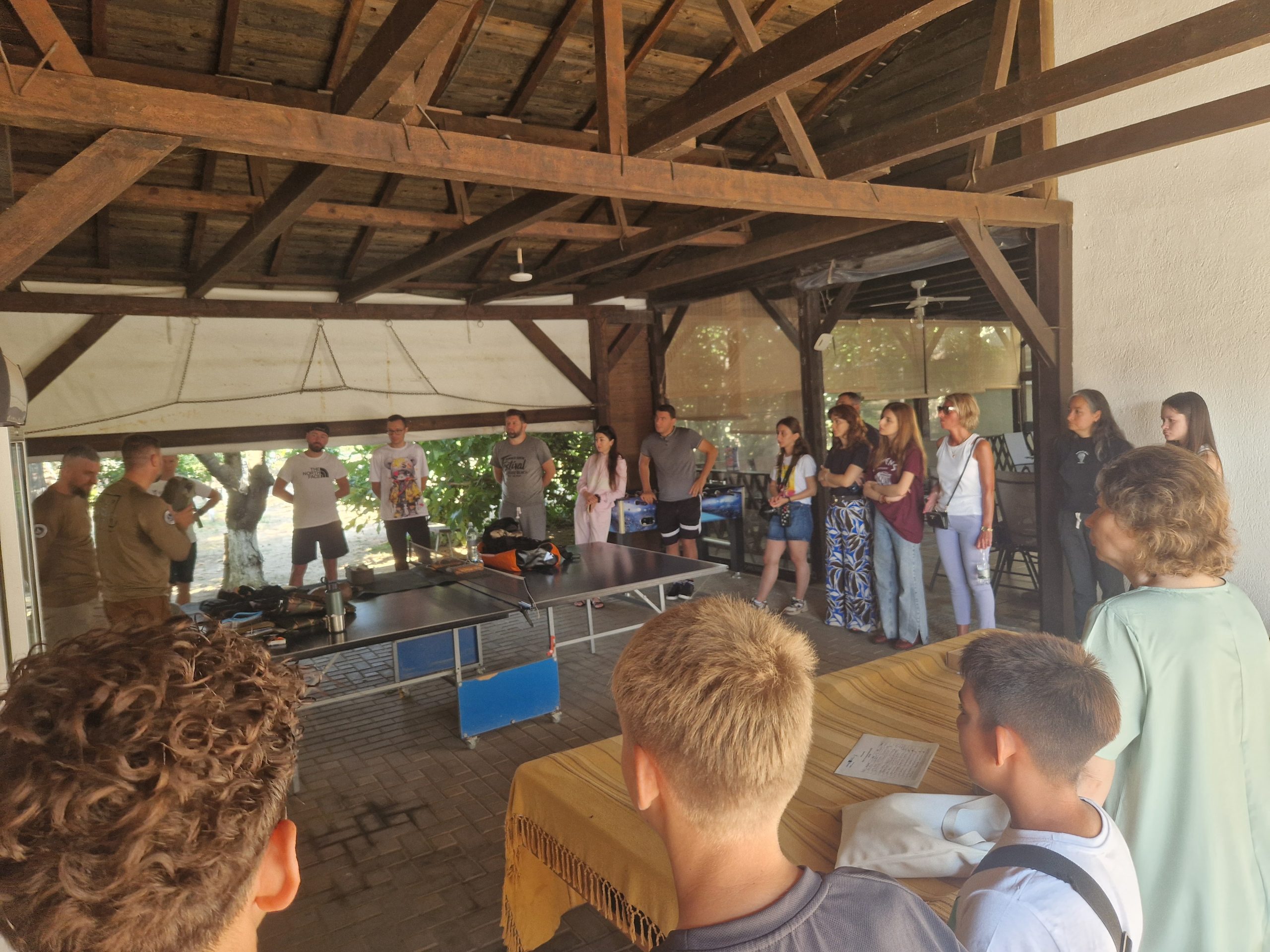
In the morning of the second day, at the accommodation site, participants took part in a practical demonstration on how to set up tents. This was followed by an in-depth session led by specialist speakers, who shared their expertise on developing camping skills in various natural settings. It was an opportunity to blend theory with practice, preparing participants for real outdoor experiences while also fostering teamwork and adaptability.
The group then gathered around board games designed to raise awareness about the sea, oceans, and the problem of plastic pollution. Adults and young people played side by side, creating a relaxed atmosphere where ideas flowed naturally, and knowledge was exchanged across generations. This playful activity reinforced the importance of learning together in creative, non-formal ways. The games were created by Mare Nostrum and other partners, in an Erasmus+ dedicated to young people and education (EARTHgames4EyoUth).
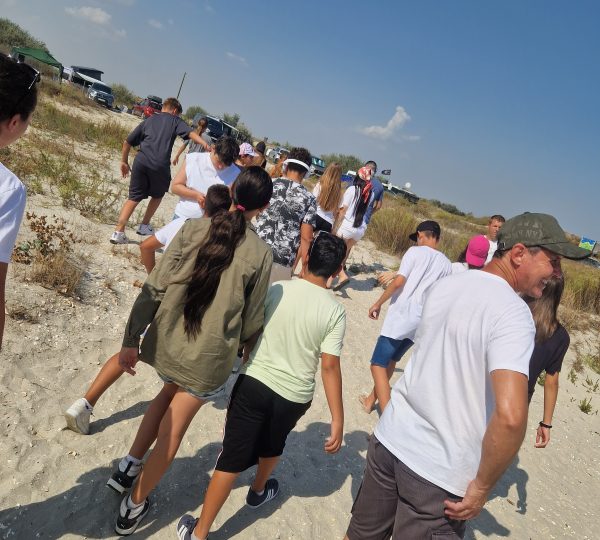
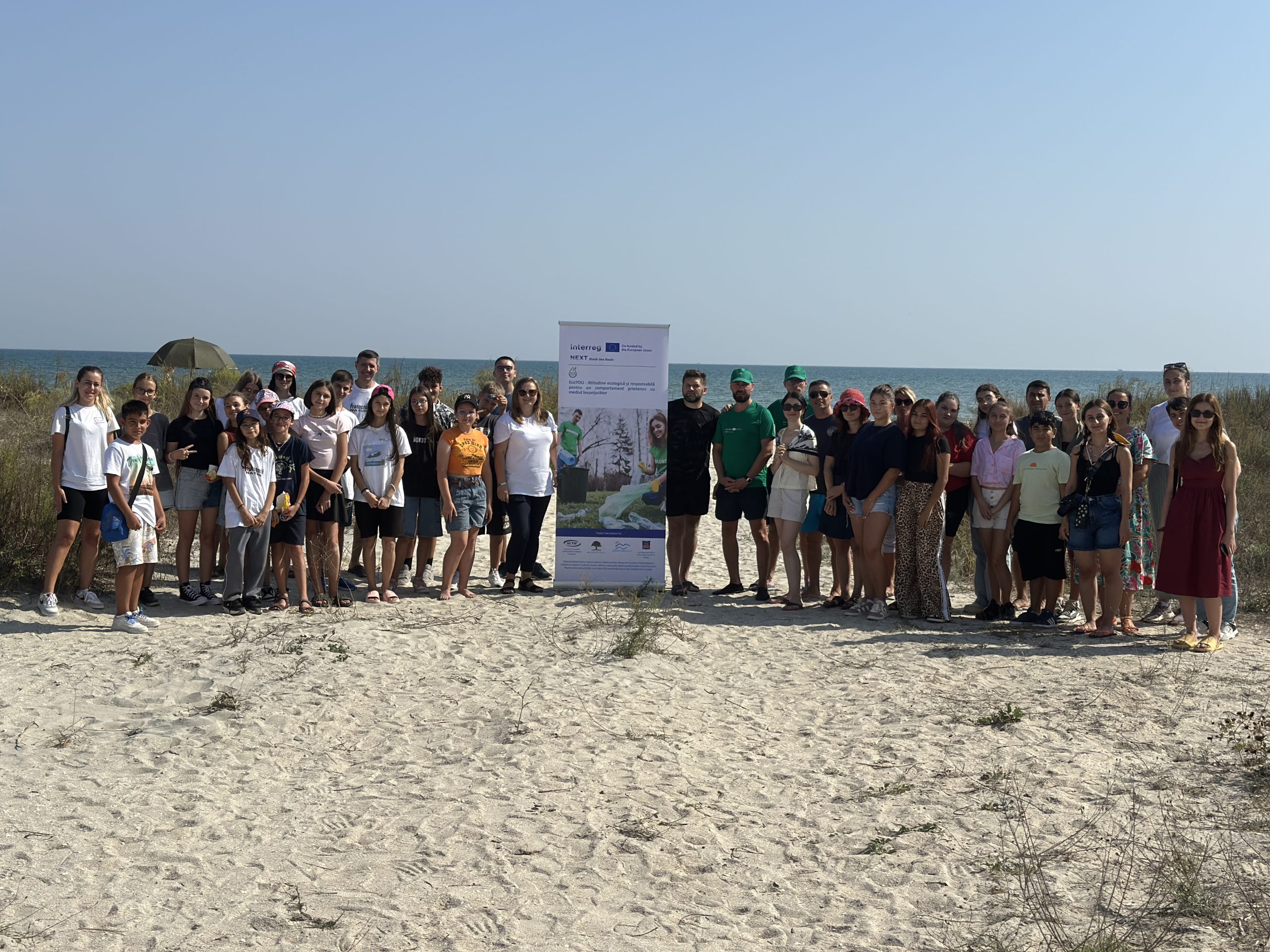
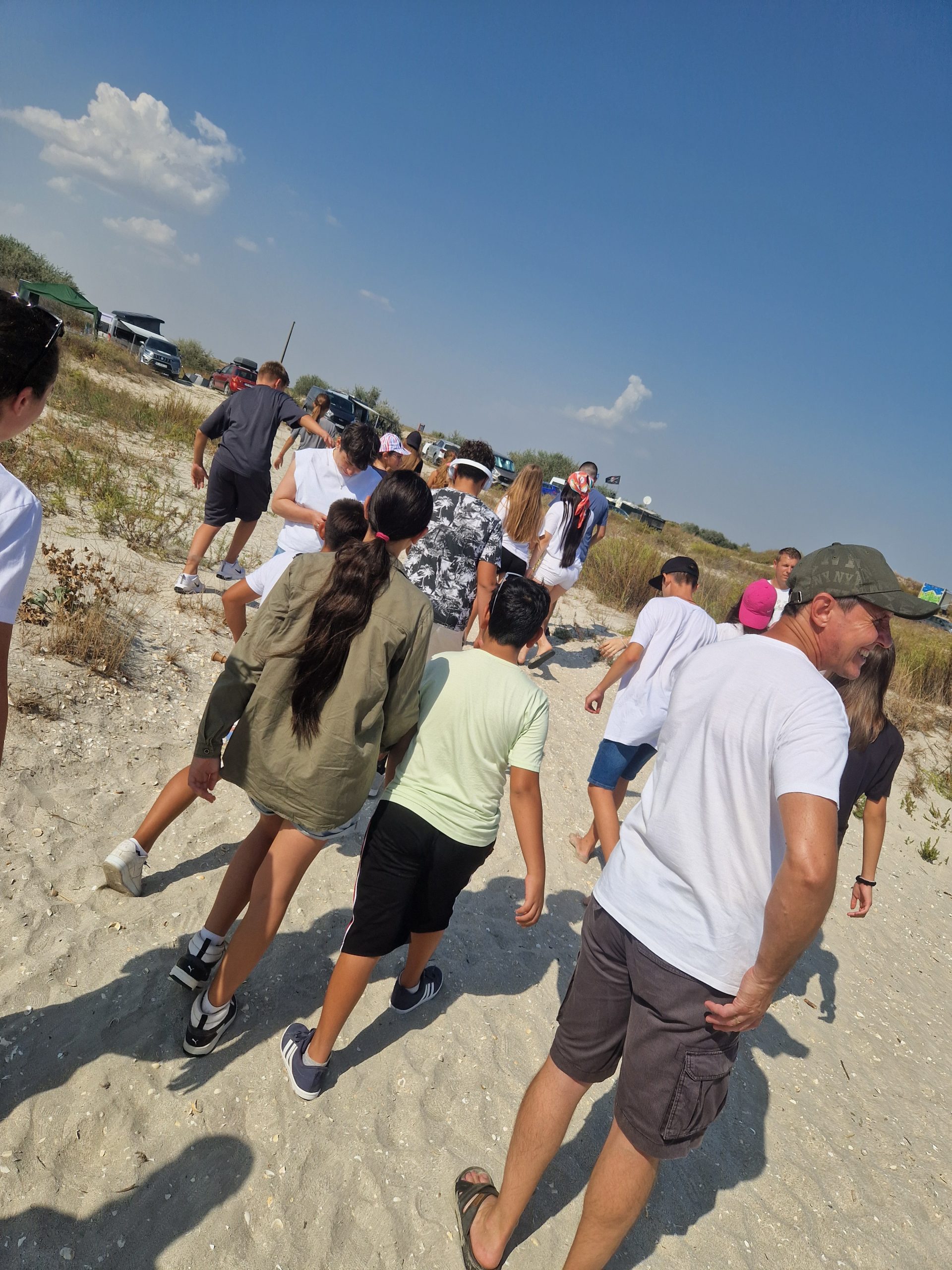
One of the most impactful activities was the clean-up on Vadu Beach, where adults, teachers, stakeholders, students, and project partners worked hand in hand. The act of cleaning the shore together was both symbolic and practical, showing how collective responsibility leads to visible change. Through this hands-on experience, participants gained a deeper understanding of environmental challenges and the power of collaboration in addressing them.
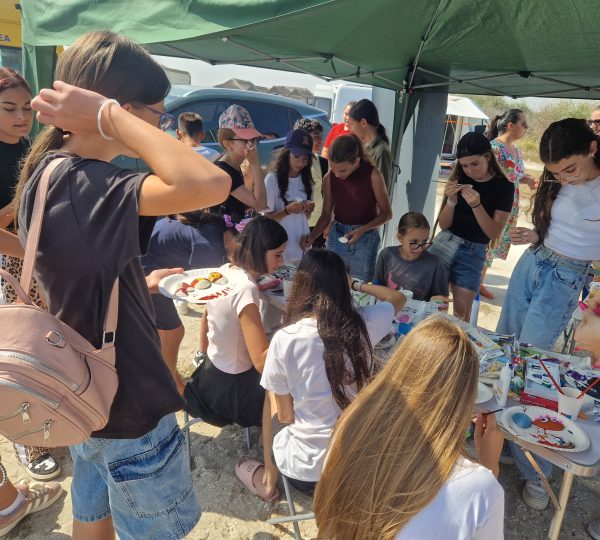
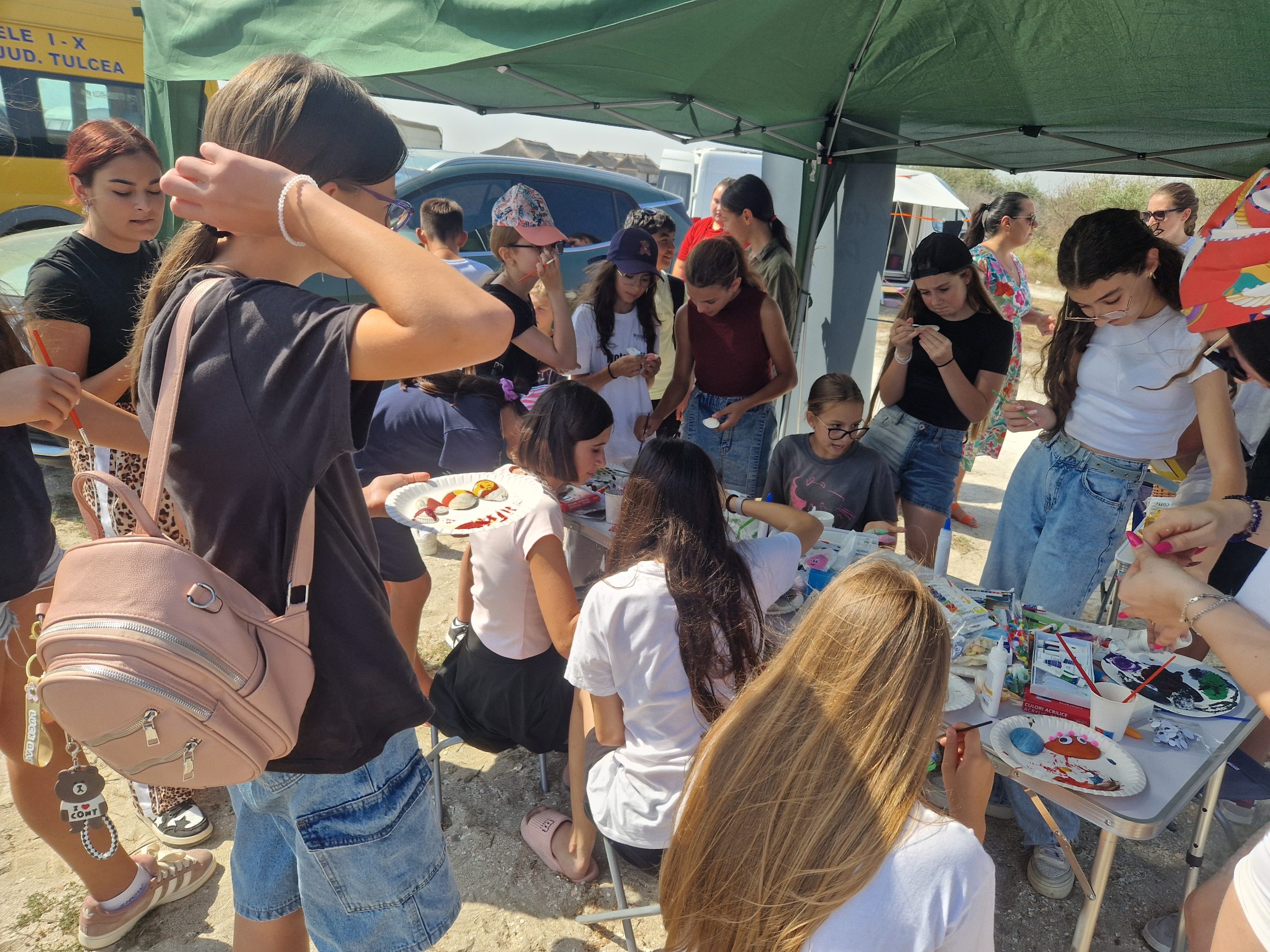
In parallel with the clean-up, participants engaged in a creative workshop where they painted on seashells and experimented with transforming waste into art. This activity highlighted the idea that discarded materials can gain new meaning and beauty when approached with imagination. It was not only a moment of relaxation and self-expression but also a lesson in rethinking waste, turning it into a resource for creativity and environmental awareness.
The camp also included a full-day field trip, on day 3, exploring Enisala Fortress, a traditional household in Enisala, the touristic port of Jurilovca, and the Argamum archaeological site with Cape Doloşman. Participants immersed themselves in local history, architecture, and traditions, while also tasting authentic regional food. This journey highlighted the connection between cultural heritage, community identity, and sustainable tourism.
Another memorable moment was the visit to the historic city of Constanța, where participants admired the iconic Casino and walked through the historic center. This experience combined architectural appreciation with storytelling, offering insight into Romania’s coastal cultural heritage and its evolution over time.
The program concluded with a visit to the Dolphinarium in Constanța. Here, participants observed marine life up close, gaining scientific knowledge in an engaging and accessible way. The experience served as both education and inspiration, reinforcing the importance of protecting marine ecosystems for future generations.
The Joint Camp was organized back-to-back with the 4th Partner Meeting of the project consortium and with the event “8 hours overtime for an environmental positive impact”.
Overall, the Joint Camp unfolded as much more than a series of activities, it was a coherent journey dedicated to learning in its many forms: practical, creative, cultural, and experiential. Whether through games, field visits, workshops, or hands-on action, participants were constantly encouraged to reflect, exchange ideas, and acquire new skills. A transversal theme running through the entire program was the concern for environmental protection. From discussions and demonstrations to the collective clean-up at Vadu Beach, the camp emphasized the importance of responsibility toward nature and showed how education, community spirit, and direct action can come together to inspire long-lasting change.
